Blog
Female Breasts: A Symbol of Life, Desire, and Evolutionary Mystery
From ancient sculptures to modern runways, female breasts have always been a subject of admiration, artistic inspiration, and biological fascination. While their primary biological function—nourishing offspring—is clear, their permanent shape and prominence are unique in the animal kingdom. What lies beneath the surface, and why do they hold such a magnetic appeal for men?

1. What Lies Beneath the Skin? (Anatomy)
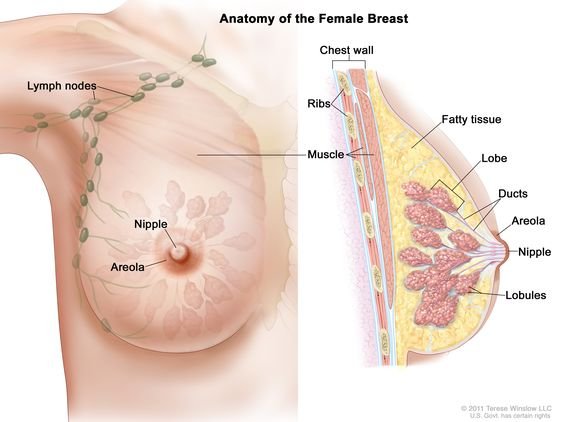
Contrary to common belief, the breast itself is not a muscle. If we were to look “inside,” we would find three main components:
Glandular Tissue (Lobules): These are the structures responsible for producing milk.
Adipose (Fatty) Tissue: This determines the size and shape of the breasts. The amount of fat is genetic and fluctuates with weight changes or age.
Connective Tissue (Cooper’s Ligaments): These act as an internal “bra,” supporting the breast tissue and attaching it to the chest wall muscles.
Interestingly, breast size has no correlation with the ability to breastfeed. Small and large breasts typically contain the same amount of milk-producing glandular tissue.
2. The Science of Attraction (Evolutionary Biology)
Humans are the only mammals whose females have permanently enlarged breasts, even when not lactating. Why did nature design them this way? Evolutionary psychologists offer several theories:
A Signal of Maturity and Health: For the male subconscious, full breasts serve as a visual signal that a woman has reached sexual maturity and possesses enough fat reserves to successfully carry and nourish a child. It is, in essence, a certificate of fertility.
The “Echo” Theory: Some evolutionary biologists (such as Desmond Morris) suggest that when human ancestors began walking upright and face-to-face interaction became the norm, breasts evolved to mimic the shape of the buttocks—previously the primary sexual signal for primates.
Emotional Bonding: Breast stimulation releases oxytocin, often called the “love hormone.” While crucial for breastfeeding, during intimacy, this hormone strengthens the emotional bond and attachment between partners.
contain the same amount of milk-producing glandular tissue.
3. From Venus to Modernity (History & Culture)
The cultural perception of the “ideal” breast has shifted dramatically throughout history:
Prehistory: Figurines like the Venus of Willendorf depicted women with exaggerated breasts and hips. This wasn’t about erotica, but survival—symbolizing abundance and the ability to give life in harsh conditions.
Antiquity and Middle Ages: The ideal shifted to smaller, firmer breasts (often described as “apples”), representing youth, purity, and modesty.
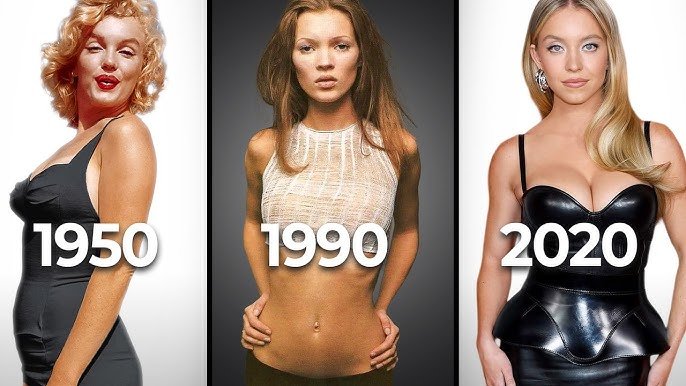
The Age of Corsets: In the modern era, fashion began to lift and accentuate the bust to create a full décolletage, establishing it as a definitive sign of femininity and social status.
Today, breasts are viewed through a complex lens—as a symbol of motherhood and nurturing, but also of female power, sexuality, and body confidence.